Michigan Body Contouring Services: What Sets Them Apart
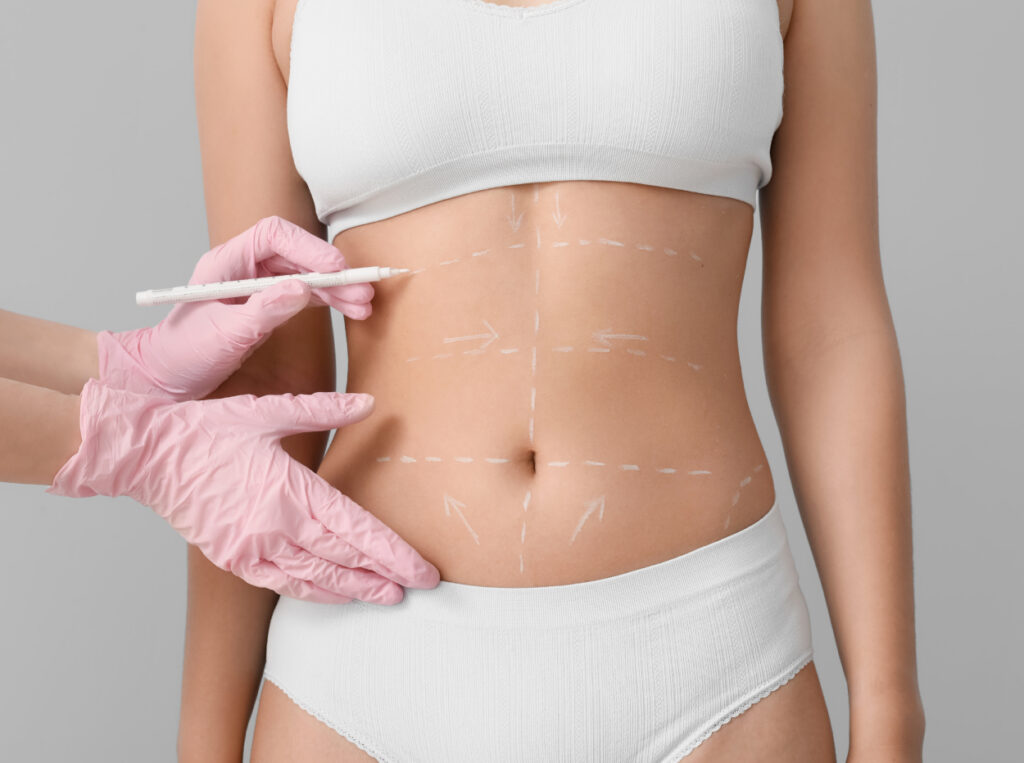
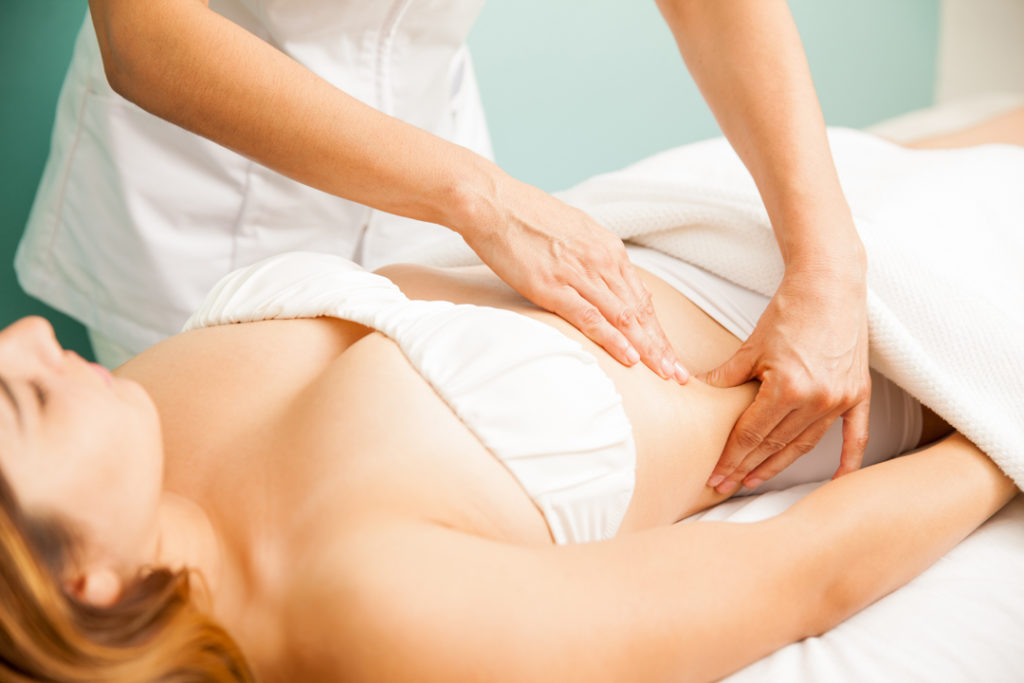

Body contouring is one of those categories that sounds simple until you sit down with an actual patient and start talking through goals, anatomy, timing, and recovery. People often arrive asking for “body contouring” as if it were one thing. In practice, it can mean liposuction, skin tightening, fat reduction with devices, post-weight-loss surgery, muscle toning treatments, or a carefully staged combination of procedures. The reason body contouring in Michigan deserves its own discussion is that the local market has a distinct mix of medical expertise, patient expectations, seasonal habits, and practical considerations that shape the experience from consultation to recovery.
Michigan is not a one-note cosmetic market. A provider in Birmingham may see a different body contouring patient than a clinic in Grand Rapids, Ann Arbor, Traverse City, or the northern suburbs of Detroit. Some patients are busy professionals squeezing treatment around travel and work demands. Others are new mothers looking for realistic improvement rather than dramatic transformation. Many are people who have lost substantial weight and want help with the excess skin or stubborn fat that diet and exercise cannot address. Those differences matter, because the best body contouring plans are rarely off-the-shelf.
What tends to set Michigan services apart is not one miracle machine or one signature treatment. It is the combination of strong surgical access in larger metro areas, a mature medical aesthetics market, practical recovery planning tied to the climate, and a patient base that often values natural-looking results over obvious change.
Why “body contouring” means different things to different patients
A good consultation in body contouring usually starts with a translation exercise. The patient says, “I want my stomach flatter,” or “my thighs don’t match the rest of me,” or “I lost 80 pounds but I still don’t feel finished.” The provider’s job is to sort out whether the issue is fat volume, skin laxity, muscle separation, scar placement, body proportion, or some mix of all four.
That distinction shapes everything. A patient with firm skin and a small lower-abdomen bulge may do very well with liposuction or a non-surgical fat reduction approach. Another patient with loose abdominal skin after pregnancy may spend money on devices and still end up dissatisfied if the real issue is skin excess and muscle laxity. A third person may be fit, close to their goal weight, and bothered by the bra line, flanks, or under-chin fullness, areas where a focused procedure can make clothing fit better without changing the rest of the body.
The better Michigan practices tend to be very direct about this. They know that a vague promise is easy to sell and hard to live with. The stronger consultations usually include plainspoken language about what can improve, what will not improve, and what trade-offs come with each path. In my experience, that honesty is where the value is.
The Michigan patient profile is more varied than many people expect
When people think of cosmetic services, they sometimes picture a narrow demographic. That does not hold up well in Michigan. The patient population for body contouring includes women after pregnancy, men dealing with weight redistribution in midlife, younger adults interested in spot reduction, and post-bariatric patients who have done the hard work of losing weight and now want their shape to catch up.
There is also a practical streak in this market. Many Michigan patients ask sharp questions. How long will I be in compression garments? When can I drive? Will I be able to hide swelling under winter clothes? If I have this done in November, am I comfortable by spring break? How many treatments will I actually need? That kind of questioning tends to push providers to be more specific, and that is a good thing.
Aesthetic preferences also matter. A large share of patients seeking body contouring in Michigan are not asking to look dramatically altered. They want their waist more defined, their arms less loose, their lower abdomen smoother in fitted clothing. They often use phrases like “balanced,” “cleaner silhouette,” or “back to myself.” Those are subtle goals, but they are not minor. Subtle work is often harder than obvious work because the margin for error is smaller.
Four-season living changes how people plan treatment
One of the most practical differences in Michigan is the calendar. Recovery planning in a four-season state has real consequences. Anyone who performs body contouring regularly sees patterns in scheduling. Fall and winter are often popular for surgical contouring because compression garments, swelling, and temporary activity restrictions can be easier to manage when people are already dressing in layers and spending more time indoors. A patient who would feel self-conscious in a compression garment under summer clothing may be completely comfortable in a sweater and coat.
Cold weather recovery has downsides too. Ice and snow can complicate transportation for the first few postoperative visits, especially if a patient cannot drive right away. People with physically demanding jobs may have to think carefully about winter hazards, lifting restrictions, and commuting conditions. If someone is having a procedure that limits mobility for a short period, a January storm is not ideal.
Non-surgical body contouring tends to rise in interest in late winter and early spring, when patients begin thinking about summer clothes and travel. That does not mean they are “last minute” treatments in every case. Some device-based fat reduction and skin tightening plans work best over several weeks or months, and the strongest practices are careful not to oversell instant gratification. Still, the seasonal psychology is real. Michigan residents live through a long cold stretch, then suddenly start planning for lake weekends, weddings, and vacations. Demand often follows that shift.
There is a meaningful difference between surgical and non-surgical contouring
One reason the Michigan market can feel crowded is that “body contouring” is offered by very different types of practices. A board-certified plastic surgeon may mean liposuction, abdominoplasty, body lift, or arm lift. A dermatology office may focus more on fat reduction, skin tightening, and cellulite treatments. A med spa may emphasize non-invasive options with minimal downtime. None of those approaches is inherently wrong. The issue is whether the recommendation fits the anatomy and the goal.
This is where experience shows. A thoughtful provider does not treat non-surgical technology like a universal substitute for surgery. They also do not push surgery on every patient. If someone has a small amount of localized fat and excellent skin tone, surgery may be more than they need. If someone has significant loose skin after major weight loss, a device may not deliver enough change to justify the time and cost.
The most reliable signal of quality is usually not the machine in the room. It is the judgment behind the recommendation. Patients often assume newer is better. In body contouring, appropriate is better.
Michigan has strong access to medical specialists in larger metro areas
One thing that genuinely distinguishes Michigan is the concentration of skilled medical professionals in and around its larger cities. The metro Detroit area, Ann Arbor, and Grand Rapids all support robust cosmetic and reconstructive practices. That matters because body contouring sits at the intersection of aesthetics and medicine. The best outcomes often depend on more than artistic taste. They depend on anatomy knowledge, surgical planning, complication management, and an honest read on candidacy.
A patient seeking a tummy tuck after multiple pregnancies, for example, may need an evaluation for diastasis recti, scar planning, skin quality, and postoperative support. Someone considering liposuction of the flanks and abdomen should understand how fat removal interacts with skin elasticity. A post-bariatric patient may need staging, because doing everything at once is not always the safest or smartest route. In a state with access to experienced plastic surgeons, dermatologists, anesthetic support, and established aesthetic clinics, patients can often find a setting that matches the complexity of what they need.
That depth of care can be especially important when a case is not straightforward. People with prior abdominal surgery, fluctuating weight, scar tissue, or significant asymmetry benefit from a provider who has seen those issues before. Michigan’s larger practices often have that volume of experience.
Post-weight-loss contouring is a particularly important part of the conversation
Michigan, like much of the country, has many patients who have made major changes to their health and weight over time. Some used bariatric surgery. Others lost weight through medication, nutrition changes, training, or a combination of approaches. After significant weight loss, the contouring problem often changes. It is no longer just about reducing fat. It becomes about managing loose skin, reshaping the trunk, and restoring proportion.
These are not simple vanity cases. They can affect exercise comfort, clothing fit, skin irritation, and self-image in a very direct way. A person may lose a large amount of weight and still avoid certain clothes because the hanging skin feels like unfinished business. In those cases, the best Michigan body contouring services usually take a long view. They ask whether the patient’s weight has stabilized, whether nutrition is adequate for healing, and whether one area or several should be prioritized first.
The emotional component is easy to underestimate. Post-weight-loss patients often arrive hopeful but cautious. They have already put in significant effort and do not want sales language. They want a surgeon or provider who understands that this is the final leg of a long process, not an impulse purchase. Practices that handle these patients well tend to have a more measured tone, more planning, and less hype.
Technology matters, but only when it is matched to the right problem
Walk through enough aesthetic offices and you start seeing the same pattern. Every few years, a treatment category gets a burst of attention, fat freezing, radiofrequency tightening, ultrasound-based contouring, muscle stimulation, injectable fat-dissolving, and so on. Some of these technologies are genuinely useful. Some are better for niche cases than broad transformation. Most work best when expectations are realistic.
Michigan patients are often exposed to a wide range of these options because the state has a healthy mix of plastic surgery centers, dermatology practices, and med spas. That can be a plus. It gives consumers access to more than one lane of treatment. It can also make comparisons harder. The average patient does not walk in already knowing whether they need debulking, tightening, resurfacing, or a staged combination.
What sets stronger practices apart is how they frame the role of devices. A good provider might say, “This can help with a moderate amount of pinchable fat, but it will not tighten loose skin enough to change the fold,” or “You are a better candidate for skin tightening than for fat reduction,” or “A small liposuction procedure would likely do in one treatment what a package of non-surgical sessions might only partly address.” That kind of specificity keeps patients from spending months on the wrong solution.
The consultation process often tells you more than the marketing does
If I had to choose one place where quality shows up most clearly, it would be the consultation room. Marketing in Body Contouring can make almost every service sound seamless. Consultation quality is much harder to fake. In Michigan, where patients often have several providers within driving distance, the practices that stand out are the ones that slow down enough to assess fit.
A strong consultation usually covers medical history, weight stability, prior procedures, medication use, skin quality, and realistic endpoint. It should also cover recovery in practical terms. Not just “a little downtime,” but details that map onto real life. Will you need help getting around the first day? How long will swelling affect clothing fit? When can you return to workouts? If you sit at a desk all day, is that easier than a job that keeps you on your feet? Those specifics are often where a patient decides whether a practice feels trustworthy.
One simple anecdotal pattern I have seen over and over: patients remember the consult where someone told them “no” or “not yet” more favorably than the consult where they were promised everything. Being advised to wait until weight stabilizes, or to address one area before another, can be frustrating in the moment. It is usually a sign of judgment.
Recovery expectations in Michigan tend to be pragmatic
The image of body contouring as a glamorous quick fix does not survive first contact with recovery. Even non-surgical options can involve swelling, temporary tenderness, numbness, or a lag before results show. Surgical contouring brings more variables, compression, activity limits, incision care, scar maturation, and the normal emotional ups and downs that come with healing.
Michigan patients often approach this practically. They ask about work leave, school pickups, winter driving, and whether they can comfortably attend family events while still swollen. Those are the right questions. The answer is rarely one-size-fits-all. A small-area liposuction recovery does not look like a circumferential trunk procedure. A radiofrequency tightening session does not behave like an abdominoplasty.
Because Michigan has long winters and a culture built around planning, many patients schedule strategically. Teachers often ask about timing around breaks. Parents look for recovery windows when household demands are lower. Professionals often target quieter periods at work. That scheduling mindset can improve the experience because patients are not trying to shoehorn real recovery into a fantasy timeline.
Price matters, but value matters more
Cost is a major factor in body contouring, and it should be. These services can represent a meaningful financial decision. What patients in Michigan often discover, though, is that the cheapest option is not necessarily the least expensive in the long run. Multiple rounds of a non-surgical treatment that only partially addresses the issue may end up costing more, physically and financially, than one well-chosen procedure. On the other hand, choosing surgery for a mild issue that could have responded to something less invasive may be unnecessary.
The better way to think about value is through fit. Does the treatment match the problem? Is the provider experienced with your anatomy and goal? Is the aftercare solid? Are the trade-offs spelled out clearly? When those answers are yes, even a higher quote can make sense.
Patients comparing options in Michigan should pay attention to what is included. Facility fees, anesthesia, compression garments, follow-up visits, scar care, and revision policies can vary. Two quotes that look close at first glance https://www.google.com/maps?cid=8379921952699446998 may not cover the same thing. Clear pricing is not just a customer-service detail. It often reflects the overall professionalism of the practice.
What smart patients look for before booking
Patients usually do best when they screen practices with the same care they would use for any important medical decision. Fancy branding can be attractive, but the substance matters more.
Here are a few signs of a well-run body contouring practice in Michigan:
- The provider explains candidacy clearly and distinguishes fat, skin laxity, and muscle issues.
- Results are discussed in terms of likely improvement, not perfection.
- Recovery guidance is specific enough to plan around work, family, and the season.
- Before-and-after photos, if shown, reflect cases similar to your body type and concern.
- The practice is transparent about who performs the treatment and what happens if concerns arise after the procedure.
That list is short on purpose. Patients do not need a hundred checkpoints. They need a few reliable ones.
Local culture shapes expectations more than people realize
Aesthetic medicine always reflects the place where it is practiced. In Michigan, body contouring demand is influenced by a mix of suburban professionalism, active outdoor summers, long winters, and a culture that often values visible self-care without wanting it to look theatrical. That shows up in the way patients talk about results. They often want to look fit, rested, proportional, and comfortable in clothes. They are less likely to ask for an exaggerated effect than for refinement that still feels like them.
That preference can be an advantage. Natural-looking body contouring often ages better and creates fewer regrets. It also tends to pair well with the best providers, who know that proportion matters more than a single measurement. Removing too much fat from one area, tightening skin without considering neighboring contours, or chasing an ideal seen online can all create problems that are harder to fix later.
A seasoned Michigan provider usually understands this balance. They are not just shaping a waist or smoothing a flank. They are working within a real life, a real climate, a real wardrobe, and a patient who has to live in the result every day.
The strongest results usually come from restraint and planning
It is tempting to think great body contouring is about doing more. More areas, more energy settings, more aggressive suction, more dramatic change. In practice, some of the best results come from restraint. Treating the right area instead of every area. Waiting until weight is stable. Pairing liposuction with skin tightening only when it adds value. Recommending surgery when skin excess is the true issue, and recommending a non-surgical approach when surgery would be disproportionate to the problem.
That mindset is where Michigan’s better services often shine. The state has enough medical depth and enough patient sophistication that there is room for nuanced care. Not every market supports that. In some places, consultations are rushed and options are narrow. In Michigan, patients can usually find providers who will talk through alternatives with the level of detail this category deserves.
For anyone exploring Body Contouring in Michigan, that is the real differentiator. Not just access to treatment, but access to judgment. When a provider can look at your body, your timeline, your budget, and your goals, then tell you what is worth doing, what is not, and why, you are in the right room. The services that stand apart are the ones built on that kind of clarity.