Body Contouring Farmington Hills: What to Know About Treatment Safety

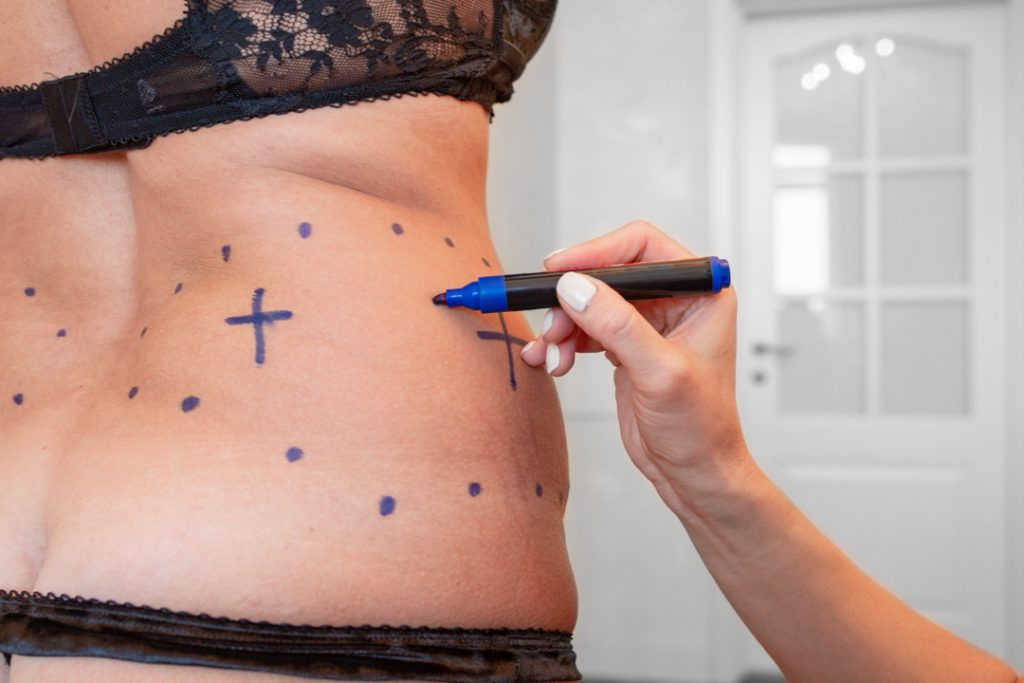

Body contouring attracts people for a simple reason. Diet and exercise do a great deal, but they do not always change the shape of stubborn areas in the way people expect. The lower abdomen can stay soft after pregnancy. Flanks can linger after a major weight loss effort. Inner thighs, upper arms, and under-chin fullness often resist even disciplined routines. In a place like Farmington Hills, where patients are often balancing work, family, and health goals, body contouring tends to come up not as vanity, but as a practical question: is there a safe way to refine areas that have stopped responding?
Safety is the right place to start. The market is crowded with devices, ads, dramatic before-and-after photos, and broad promises. Some treatments are well established. Some are newer and heavily marketed. Some are appropriate for healthy adults with realistic goals. Others are poorly matched to the patient from the beginning, which is where many safety problems start.
When people search for Body Contouring Farmington Hills, they are usually asking more than one question at once. They want to know whether a treatment works, whether it hurts, whether it will leave them with downtime, whether they can trust the practice, and whether the result is worth the cost and effort. A safe experience depends on all of those factors, not just the brand name of the machine.
Safety starts before the treatment does
The safest body contouring plans are built around patient selection. That sounds clinical, but it matters more than any promotional claim. A person with a stable weight, good skin health, and a specific pocket of excess fat is very different from someone hoping a contouring treatment will replace weight loss or reverse severe skin laxity.
This is where experienced providers earn their keep. They do not just ask what area bothers you. They ask how your weight has changed over the past year, whether you have had prior surgery, whether you scar easily, whether you have hernias, whether you bruise heavily, what medications and supplements you take, and whether you have conditions that affect healing or sensation. A quick consultation with a rushed recommendation is a warning sign. Thoughtful screening protects patients from poor outcomes.
Body contouring also covers a wide range of treatments, and they do not carry the same risk profile. Broadly, patients encounter two categories. One is non-surgical contouring, such as fat freezing, radiofrequency-based tightening, ultrasound-based treatments, muscle stimulation, and injectable options in limited areas. The other is surgical contouring, such as liposuction or skin removal procedures. Some medical spas speak about all of this under one umbrella, which can blur important distinctions. Safety discussions should always be specific to the exact treatment being offered.
Understanding the different kinds of risk
Patients often think of safety in narrow terms, like whether a treatment is dangerous or not. In real practice, the discussion is more nuanced. There are immediate treatment risks, short-term recovery risks, and long-term satisfaction risks. A treatment can be medically low risk and still be a poor choice if it is unlikely to deliver the result the patient expects.
For non-surgical treatments, the immediate risks are usually milder. Redness, swelling, tenderness, temporary numbness, bruising, or soreness are common with many devices. Even so, low risk does not mean no risk. If a device is used incorrectly, if the settings are too aggressive, or if a patient has a contraindication that was missed, complications can happen. Burns, prolonged nerve irritation, contour irregularities, or paradoxical fat enlargement, though uncommon, are the kinds of issues a serious consultation should address directly.
For surgical body contouring, the stakes are higher because the intervention is deeper and recovery is longer. Risks can include infection, fluid collections, bleeding, anesthesia-related problems, irregular contour, delayed healing, and visible scarring. Those risks do not make surgery inappropriate. They simply require a different level of planning, informed consent, and postoperative follow-up.
One of the most useful questions a patient can ask is not “Is it safe?” but “What are the specific risks for me, with my anatomy, my health history, and my goals?” That question changes the conversation from marketing to medicine.
Why provider training matters more than the machine name
A recurring mistake is assuming the device determines the quality of the result. It does not. The same platform can produce a smooth improvement in one office and a disappointing or uneven result in another. Technique matters. Patient evaluation matters. So does the honesty to say when a patient is not a good candidate.
In practical terms, the provider should understand tissue anatomy, treatment depth, expected response times, and complication management. That is true whether the treatment is laser-based, cold-based, radiofrequency-based, or injectable. Credentials are part of the picture, but so is experience with that exact modality. A practice that offers body contouring as a side service without a strong evaluation process may not be the safest place to start.
Patients in Farmington Hills often compare med spas, dermatology offices, and plastic surgery practices, which is reasonable. The setting matters less than the standard of care. A good office will have clear protocols for consultation, photography, consent, sanitation, emergency preparedness, follow-up, and handling complications. If a practice seems reluctant to discuss side effects in plain language, that tells you something important.
The consultation should feel specific, not sales-driven
A strong consultation is rarely flashy. It is usually detailed, calm, and a little more cautious than patients expect. Measurements may be taken. Standardized photos may be used. The provider should examine the skin, pinch the fat layer, assess laxity, and distinguish between fat fullness and loose tissue. Those are not minor details. They determine whether a non-surgical option has a realistic chance of helping.
A common example involves the abdomen after pregnancy or major weight loss. Many people describe the issue as stubborn belly fat, but the exam may show that loose skin and muscle separation are the bigger contributors. A non-surgical contouring treatment aimed at fat reduction might produce a subtle change while leaving the patient dissatisfied because the main problem was never fat to begin with. That is not a treatment failure in the technical sense. It is a planning failure.
The same applies to the jawline and under-chin area. Sometimes there is excess fat. Sometimes it is skin laxity. Sometimes it is posture and bone structure. Safe treatment planning includes saying, “This may not give you the sharp result you have in mind.”
Questions worth asking before you schedule
Most patients do better when they arrive with a short set of practical questions. The goal is not to challenge the provider. It is to make sure the conversation covers what matters.
- Am I a good candidate for this specific treatment, and why?
- What side effects are common, and what complications are uncommon but possible?
- Who performs the treatment, and what training do they have with this device or procedure?
- How many sessions do patients like me typically need?
- What should I do if I have a problem after treatment?
Those five questions reveal a lot. Clear, direct answers usually reflect a well-run practice. Evasive answers, pressure to buy a package immediately, or guarantees of dramatic results are worth taking seriously.
Non-surgical does not mean casual
One reason safety issues arise with body contouring is that non-surgical treatments can feel deceptively simple. You walk in, the area is marked, the device is applied, and you leave. That convenience can make patients underestimate the importance of aftercare and warning signs.
Even mild treatments can cause temporary swelling and sensitivity. Some lead to numbness that lasts weeks. Others create internal heating, which means the skin may look fine at first while discomfort builds later. Patients should know how the treated area is expected to feel over the next day, the next week, and the next month. They should also know what crosses the line from normal recovery into something that needs an urgent call.
If a provider says there is “no downtime” at all, it is wise to clarify what that actually means. In many cases, it means you can return to work or normal errands, not that you will feel nothing. Soreness, bruising, or tenderness can still affect exercise, fitted clothing, and sleep position for a short time.
Skin tone, scarring history, and medical background all matter
Safety is never one-size-fits-all. Skin type can influence the risk of pigmentation changes with energy-based devices. A history of poor wound healing or keloid scarring may shape recommendations, especially for any procedure that involves incisions or significant tissue injury. Autoimmune conditions, diabetes, circulatory issues, active skin infections, and smoking status can all affect the safety profile and recovery process.
Medications deserve special attention. Blood thinners, some anti-inflammatory drugs, certain supplements, and medications that increase photosensitivity can complicate treatment plans. Patients do not always think to mention herbal products, but they can matter. An honest medication review is one of the easiest ways to prevent trouble.
Cold-based fat reduction has its own set of considerations. Patients with cold sensitivity disorders or certain rare conditions should be screened carefully. Treatments involving heat need care in people with altered sensation, because they may not perceive excessive temperature normally. These details are not dramatic, but they are where good medicine lives.
Realistic expectations are part of safety
This point gets missed because people usually file it under satisfaction, not safety. In practice, unrealistic expectations are one of the strongest predictors of a bad overall experience. A patient who expects a single treatment to remove a large volume of fat, tighten loose skin, and replicate surgical results may feel misled even if the treatment was performed correctly and safely.
Most non-surgical body contouring treatments create gradual, modest improvement. Some patients are thrilled by that. Others need a provider to say, respectfully, that the likely change may be too subtle to justify the cost. That is not negativity. It is responsible guidance.
There is also the question of timing. Results often unfold over weeks to months. Swelling must settle. The body needs time to clear treated fat cells https://maps.app.goo.gl/C7R83h4BFVWygmYv7 in methods designed to target them. Skin remodeling, when part of the goal, tends to be slow. Anyone needing a visible change for a wedding, vacation, or reunion should discuss timing well in advance.
How reputable practices talk about complications
An office does not become untrustworthy because complications exist. It becomes untrustworthy if it pretends they do not. Every legitimate provider should be willing to explain what is common, what is uncommon, and what their office will do if a patient has concerns after hours.
Listen for specifics. Will they schedule a follow-up visit? Who evaluates unexpected pain or swelling? If a contour irregularity develops, do they have a plan? If a treatment causes a skin injury, who manages that wound? Confidence is good. Vagueness is not.
Anecdotally, one of the biggest differences between high-quality practices and weaker ones is the postoperative or post-treatment support. Strong offices check in. They document progress. They bring patients back to assess whether what they are experiencing is normal. That follow-through reduces anxiety and catches problems early.
Red flags that deserve caution
Patients often sense when something is off, but they talk themselves out of it because the promotion is attractive or the office looks polished. A few warning signs come up again and again in body contouring consultations.
- Guaranteed results or language that sounds absolute
- Pressure to buy a large package on the first visit
- Little discussion of risks, alternatives, or candidacy
- No clear plan for follow-up or complication management
- Before-and-after photos that do not match your body type or concern
None of these automatically mean a practice is unsafe, but together they should slow you down. A safe decision usually feels informed, not rushed.
The role of aftercare in a safe outcome
Aftercare is not busywork. It is part of the treatment. Some body contouring procedures require compression garments. Some ask patients to avoid intense heat, strenuous workouts, alcohol, or certain medications for a short period. Others encourage light walking, hydration, and massage depending on the modality and the provider’s protocol.
Ignoring these instructions can affect both comfort and outcome. For example, a patient who returns to intense exercise too soon after a more aggressive contouring treatment may increase swelling and discomfort. Someone who does not wear recommended compression after a surgical procedure may have a rougher recovery. The safest offices explain not just what to do, but why it matters.
Patients should also be told what symptoms require prompt attention. Severe or worsening pain, blistering, marked asymmetry that appears suddenly, fever, unusual drainage, shortness of breath, or calf pain are not symptoms to monitor casually. They need evaluation.
Cost, value, and the temptation to bargain hunt
Farmington Hills patients are savvy shoppers, and that is understandable. Body contouring is often elective, which means budget matters. Still, price shopping can become risky when the only comparison point is cost per session. A lower advertised number may not include the evaluation, the realistic number of sessions needed, or proper follow-up. It may also reflect a provider with less experience or an office that relies on aggressive volume.
Value comes from fit, safety, and likely outcome. A treatment that is cheap but poorly indicated is expensive in the end. So is a package that promises broad transformation but delivers minimal visible change. The better question is whether the proposed treatment matches the problem you actually have.
This is one reason the phrase Body Contouring Farmington Hills can mean very different things from one office to another. In one setting, it may mean a careful consult, candid limitations, and a conservative treatment plan. In another, it may mean a menu of devices sold with little nuance. Patients benefit when they can tell the difference.
Recovery looks different than many people expect
Even patients who understand the basics are sometimes surprised by the emotional side of recovery. Early swelling can make an area look larger before it looks better. Numbness can last longer than anticipated. Bruising may be more noticeable than the treatment advertisement suggested. None of this necessarily means something is wrong, but it reinforces the importance of pre-treatment counseling.
The best experiences often happen when patients know what normal recovery feels like. They understand that the treated area may look uneven for a while. They know that final judgment at one week is meaningless. They have realistic benchmarks and a direct line to the office if something worries them.
For surgical contouring, this point becomes even more important. Drains, compression, restricted activity, scar care, and multiple follow-up visits can be part of the process. Anyone considering surgery should plan for help at home, time away from strenuous obligations, and a recovery space that makes movement easier.
Choosing a provider in Farmington Hills with safety in mind
A safe choice usually emerges from a combination of factors, not one perfect credential or one glowing review. Patients should look for a provider who evaluates them carefully, explains options plainly, discusses risks without minimizing them, and recommends a treatment because it fits, not because it is the most profitable thing on the menu.
Online reviews can be useful, but read them with discipline. Look for comments about communication, follow-up, honesty, and how concerns were handled. Beautiful office decor and enthusiastic front-desk interactions are nice, but they are not clinical quality markers. The substance of the consultation still matters most.
If you feel torn between two practices, pay attention to the one that gives you the clearest sense of what to expect, including the limitations. In cosmetic medicine, honesty is often a better predictor of safety than enthusiasm.
What patients often get right after doing their homework
Patients who have the smoothest body contouring experiences tend to share a few habits. They ask specific questions. They disclose their full health history. They choose timing that allows for recovery instead of squeezing treatment into a chaotic week. They accept that improvement may be incremental. And they understand that no contouring procedure, surgical or non-surgical, replaces the basics of long-term weight and health management.
That last point is worth saying plainly. Body contouring can refine shape. It can reduce stubborn pockets. It can improve how clothing fits. It does not make lifestyle irrelevant, and it does not stop the body from changing with time, hormones, aging, or future weight fluctuations. The safest and happiest patients see it as one tool, not a complete solution.
For anyone considering Body Contouring Farmington Hills, that perspective is useful. Start with the safety conversation. Ask whether the treatment matches your anatomy, your goals, and your tolerance for downtime. Ask who is performing it and how they manage complications. Ask what result is realistic, not idealized. When those answers are clear, the path forward tends to be clearer too.
Aesthetic Plastic Surgery & Laser Center, Michelle Hardaway M.D.
Address: 27920 Orchard Lake Rd, Farmington Hills, MI 48334
Phone number: +12482211957
FAQ About Body Contouring Farmington Hills
What does body contouring actually do?
Body contouring (or body sculpting) eliminates stubborn localized fat, tightens loose, sagging skin, and reshapes your silhouette. It is not a weight-loss tool, but rather a cosmetic procedure used to refine and tone specific trouble spots after major weight loss, pregnancy, or aging.
How much does body contouring usually cost?
The total cost of body contouring usually ranges from $2,000 to $25,000+ depending entirely on whether you choose non-surgical sessions or major surgical procedures.
Because "body contouring" covers everything from simple fat-freezing to comprehensive post-weight-loss surgeries, pricing is heavily categorized by the method used.
What is the best type of body contouring?
Liposuction is a huge topic and worth discussing in more detail, but in terms of body contouring and sculpting, nothing does the job better than liposuction, particularly VASER liposuction.